Apollo to take control of easyJet in strategic shift
08 Aug 2026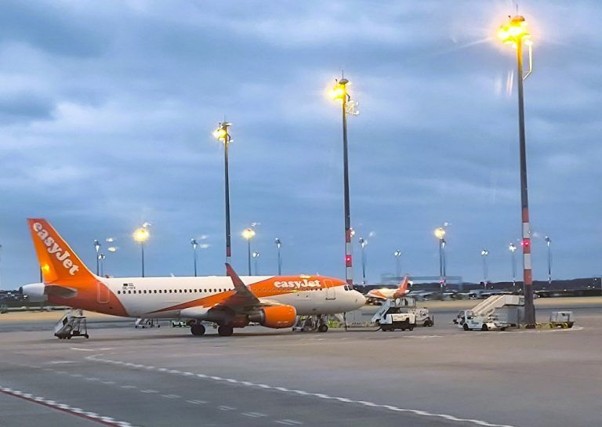
The easyJet board has recommended the offer, which has also received support from the Haji-Ioannou family, the airline’s founding shareholders. The transaction remains subject to shareholder and regulatory approvals. The offer must be finalized by the end of March 2027.
For the European airline industry, the deal is significant because it puts one of the continent’s largest low-cost carriers under private US ownership at a time of intense pressure on airline profitability.
Apollo’s challenge will be to extract greater value from a business that already has a well-established low-cost model, a substantial European network and strong positions at major airports.
easyJet has previously identified four strategic priorities: building its European network, increasing revenue, maintaining its low-cost model and improving ease and reliability. Its medium-term ambition has been to achieve more than £1 billion in profit before tax.
The takeover is unlikely to require a radical change of direction. Instead, Apollo is expected to focus on accelerating initiatives already underway.
One key area will be the fleet. easyJet has invested heavily in Airbus A320neo and A321neo aircraft, which offer lower fuel consumption and operating costs. Securing aircraft supply is also strategically important as delivery slots for narrowbody aircraft remain constrained for several years.
The holidays business represents another major opportunity. easyJet Holidays has developed into an increasingly important part of the group and offers the potential to diversify revenue beyond airfares. Analysts have highlighted its asset-light model and structural growth potential.
For Apollo, the attraction is therefore not simply easyJet’s airline operations. Its airport slots, fleet, customer base, network and holidays business provide several potential avenues for growth and improved returns.
The strategic question will be how aggressively Apollo pursues those opportunities without weakening the characteristics that made easyJet successful.
The European low-cost market remains highly competitive, particularly against Ryanair and Wizz Air. Any attempt to increase revenues or reduce costs will have to balance financial discipline with competitive fares, network breadth and operational reliability.
For travel businesses, the acquisition could ultimately reshape easyJet’s commercial strategy. For consumers, the most visible effects are likely to emerge gradually through network decisions, pricing, ancillary revenues and the expansion of holiday products.
The longer-term test will be whether Apollo can turn easyJet’s existing strengths into a significantly more profitable European aviation platform.