Birmingham Airport unveils massive master plan for 30 million passengers
29 Oct 2026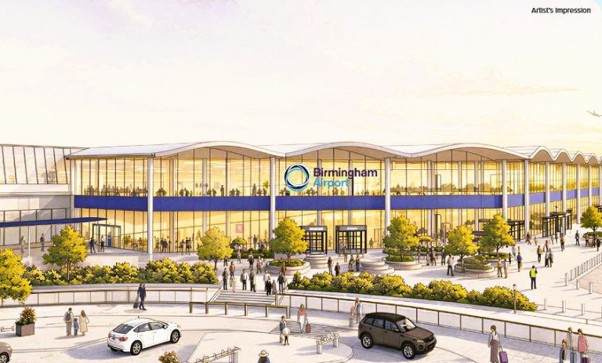
The draft plan, published October 8, proposes a 15-year investment program designed to accommodate around 30 million passengers by 2041, compared with the 13.65 million who used the airport in 2025 (+140%). Birmingham would in the same period of time experience a surge in the number of visitors from 2.2 to 5.5 million.
The airport expects the development to generate an additional £3.6 billion in gross value added for the regional economy.
The proposals focus on making better use of existing runway capacity rather than building another runway. Plans include expanding terminal space by around 60%, increasing aircraft stands from 42 to between 70 and 75, and upgrading baggage handling, taxiways and passenger-processing facilities.
Longer-term developments could include a new southern pier, an extension to the international pier and a satellite terminal building north of the existing terminal. Improvements to road and public transport connections, along with additional parking, are also planned.
Looking at more intercontinental routes
Birmingham Airport expects long-haul traffic to grow significantly, with potential opportunities to restore scheduled transatlantic services and develop additional connections to the Middle East, South Asia and the Far East.
This winter, the airport is linked overseas (intercontinental destinations) to Cancun and Montego Bay in the Americas, Doha and Dubai in the Middle East, Cairo and Cabo Verde in Africa as well as Amritsar and Delhi in India.
The first phase of investment could begin in 2027, with work on baggage facilities, aircraft stands, terminal infrastructure and surface access. Individual projects will require further approvals.
Birmingham Airport CEO Nick Barton said the proposed investment would strengthen the airport’s role in supporting tourism, trade and regional business growth.
A separate economic impact report published October 22 put the airport’s existing contribution at £3.75 billion in gross value added and 57,000 jobs supported across the region.
Environmental and community impacts feature in the draft strategy, including consideration of aircraft noise, air quality, carbon emissions, biodiversity and sustainable transport. The airport says future growth must be balanced with responsible development and engagement with nearby communities.
An eight-week public consultation is underway, with feedback due by December 4, 2026. Birmingham Airport expects to publish a final consultation report in 2027, helping shape the master plan and subsequent investment decisions.