Delta, Virgin and London Heathrow clash over terminal split
05 Nov 2026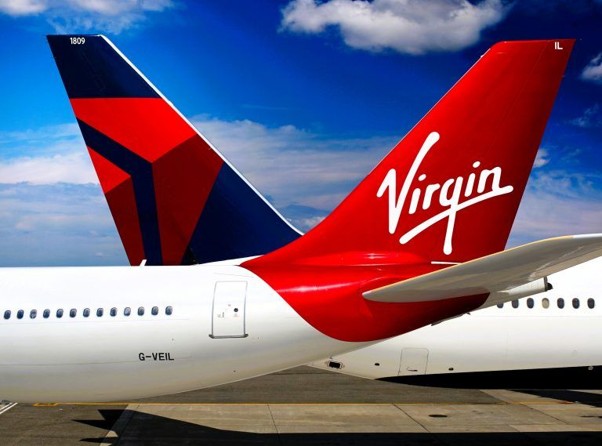
The decision has triggered a public dispute, with Delta CEO Ed Bastian, Virgin Atlantic CEO Corneel Koster and Virgin founder Richard Branson all criticizing Heathrow’s plans.
Delta and Virgin Atlantic have shared Terminal 3 since 2016, following Delta’s acquisition of a 49% stake in the British airline in 2013. Their transatlantic partnership, launched in 2014, coordinates schedules, pricing, network planning and customer services, allowing the airlines to operate as an integrated business across the Atlantic.
The shared terminal arrangement is particularly important for connecting passengers, who can transfer between the airlines without changing terminals. Moving Delta to Terminal 4 would require passengers connecting between the two carriers to take an airside transfer bus and undergo another security check.
Sharp critics from CEOs
Delta’s Bastian described Heathrow’s decision as “short-sighted, deeply disappointing and bad for airline consumers.”
He added: “For more than a decade, our airlines have served millions of customers through our co-located operation in Terminal 3, offering travelers convenient connections, premium amenities and access to an expanded global network.“
Bastian warned that separating the airlines would undermine years of investment and said Delta would “pursue all available remedies to correct this decision.“
Virgin Atlantic has been equally outspoken. CEO Corneel Koster declared on Sky News TV that the relocation would “create friction for customers, weaken competition and reduce choice.“
He argued that the integrated partnership provides an important competitive alternative to the transatlantic joint venture between British Airways and American Airlines.
The charismatic Virgin Group founder Richard Branson also stepped in to denounce the decision. He warned that the move could ultimately increase fares.
“Squashing this growth puts customer choice at risk and could drive up fares. It’s ill-judged and short-sighted,” he said.
Heathrow explanations
Heathrow, however, is defending its wider terminal reallocation strategy. A spokesperson said the changes followed consultation with airline customers and would make better use of existing capacity while improving passenger flows and operational resilience.
The airport added that the five planned airline moves would “unlock more capacity across terminals, reduce congestion, improve the flow of passengers through the airport and help keep passenger costs down.”
The reshuffle also involves Finnair and Japan Airlines moving from Terminal 3 to Terminal 4, LATAM transferring from Terminal 3 to Terminal 2, and China Southern moving from Terminal 4 to Terminal 5.
Heathrow says the changes are necessary as airport capacity remains constrained. However, upsetting both Delta Airlines and Virgin, two of the airport’s most important customers, is certainly not the cleverest decision by the airport’s management!