
Iran attacks on hotels and airport in Dubai destabilize tourism in the entire Gulf
01 Mar 2026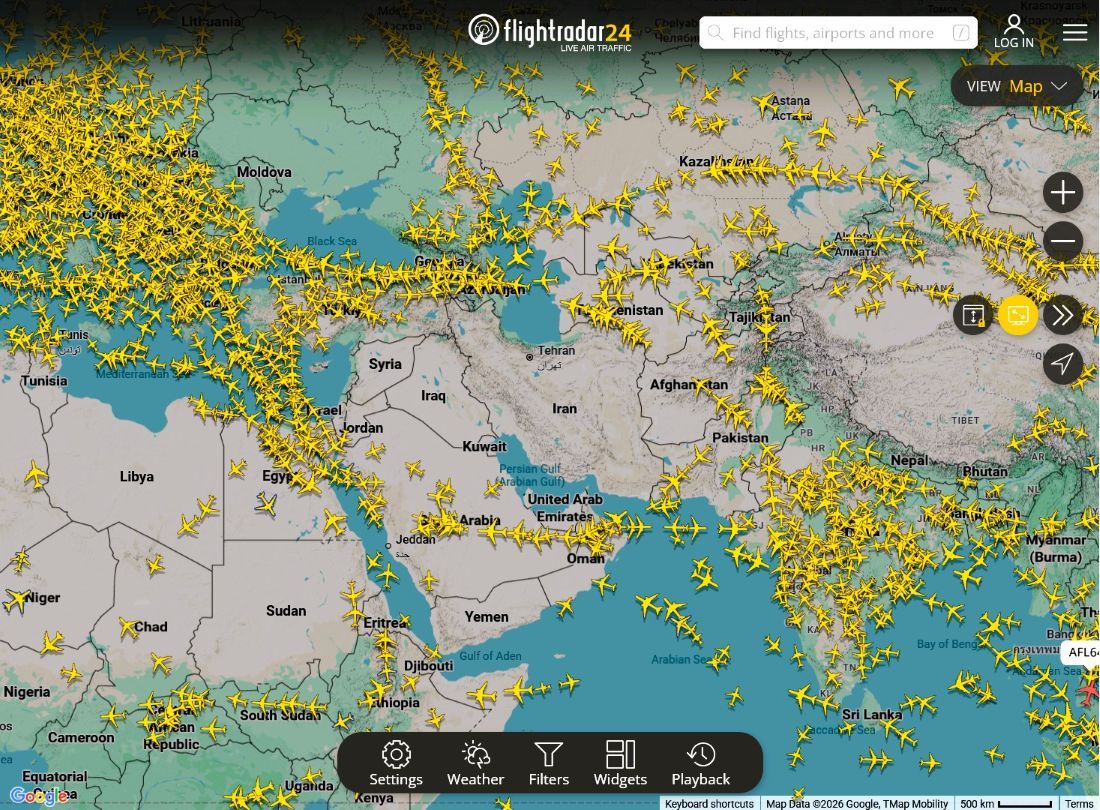
For the second consecutive day, drones launched from Iran have targeted Bahrain, Kuwait, Qatar, the UAE, and Israel. Major aviation gateways such as Dubai, Abu Dhabi, and Doha have faced closures or severe operational restrictions.
The current escalation represents one of the most serious disruptions to Gulf aviation in recent years and raises concerns about the stability of one of the world’s most important air travel corridors.
An Icon of Gulf tourism targeted by Iranian drones
On Sunday, part of Dubai International Airport was closed and passengers were evacuated following an overnight Iranian attack. A concourse sustained minor damage and several people were injured in the incident.
In the city, Dubai Civil Defense teams quickly controlled a limited fire on the external façade of the Burj Al Arab hotel caused by falling debris from an intercepted drone. The hotel is widely regarded as an icon of Dubai tourism. Emergency services also extinguished a fire caused by drone debris at one of the docks in Jebel Ali Port.
Abu Dhabi Airports Authority reported that falling drone debris at Zayed International Airport resulted in one fatality and seven injuries.
In Kuwait, General Directorate of Civil Aviation spokesperson Abdullah Al-Rajhi said a drone strike caused minor injuries to several employees and limited material damage to the Terminal 1 passenger building.
On Sunday morning, March 1, Bahrain International Airport was also targeted in a drone attack, causing minor material damage. Authorities activated emergency procedures, including evacuation of the passenger terminal.
Saudi airports have so far remained open, although many flights to the Middle East have been suspended. Beyond Saudi Arabia, all the other Gulf Cooperation Council countries have temporarily closed their airspace, including Oman, significantly disrupting airline operations.
Airport authorities across the region are advising travellers to stay home and check with their airlines before going to the airport. Airlines including Emirates, Etihad, Qatar Airways and Oman Air have suspended operations as the situation evolves.
The crisis could last several days and disrupt tourism flows, as the Gulf region functions as a major global hub linking Africa, Asia, Europe, and, to a lesser extent, the Americas. Major airports in the region normally handle tens of thousands of passengers daily and are critical to intercontinental travel.