
Lufthansa cuts frequencies and cancels flights as jet fuel prices remain at record level
28 Apr 2026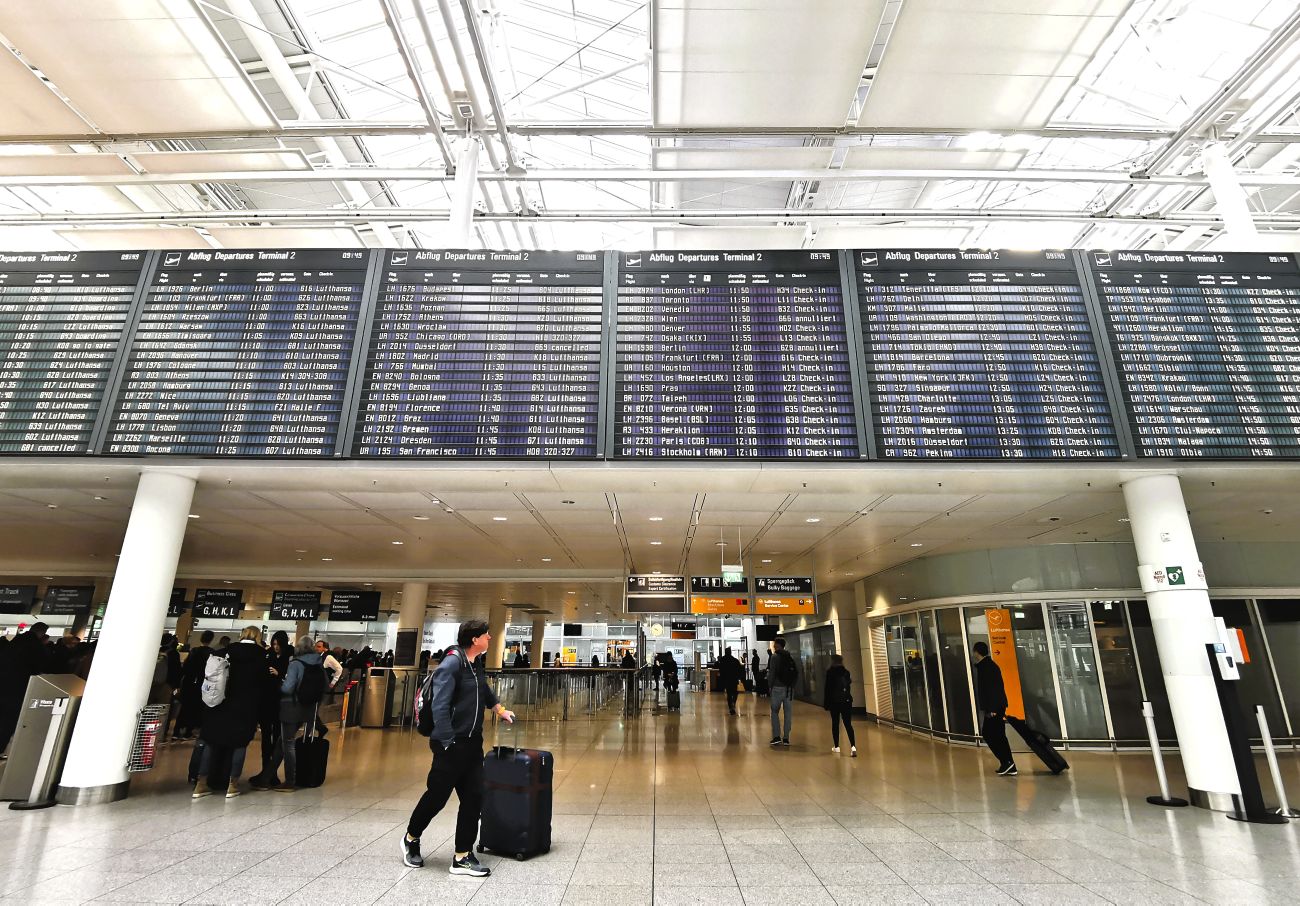
The most affected airport will be Munich where Lufthansa reduces frequencies on 57 routes. From Frankfurt, the cut is more limited with reduced frequencies implemented on 9 routes.
Routes from Frankfurt to Bydgoszcz and Rzeszow in Poland, as well as Stavanger in Norway, are now suspended and temporarily removed from the current schedule.
Ten additional routes are also consolidated through other group hubs, affecting Heringsdorf, Cork, Gdansk, Ljubljana, Rijeka, Sibiu, Stuttgart, Trondheim, Tivat, and Wroclaw.
The move follows also the removal of flights previously operated by Lufthansa CityLine, as Lufthansa accelerated the airline’s closure. Lufthansa strategy is aimed at improving efficiency as jet fuel prices have doubled since the start of the Iran conflict. The cuts represent around 40,000 tons of kerosene.
The first 120 daily flight cancellations were implemented yesterday and will remain in effect through the end of May, with affected passengers already notified.
The schedule adjustments are designed to reduce unprofitable short-haul services across the Lufthansa Group network. The airline group will consolidate its European network through its six main hubs in Frankfurt, Munich, Zurich, Vienna, Brussels, and Rome.
Passengers will still have access to Lufthansa Group’s global route network, particularly its long-haul services, but with a more fuel-efficient operating model. The move also accelerates the group’s broader strategy to consolidate European operations across its hub airlines: Lufthansa Airlines, SWISS, Austrian Airlines, Brussels Airlines, and ITA Airways.
Lufthansa said its medium-term route planning for the coming months is being revised in line with the reduced capacity and will be published in late April or early May. The updated plan will include further short-haul network optimization for the full summer season, providing greater schedule stability.
Despite the reductions, the group expects fuel supply for its summer flight schedule to remain largely stable. Lufthansa is working on several measures to secure both physical kerosene supply and fuel price hedging. In total, the airline reduced total flights to Europe by 11% compared to March.