Rumours of US carrier JetBlue takeover return as financial pressure mounts
03 Nov 2026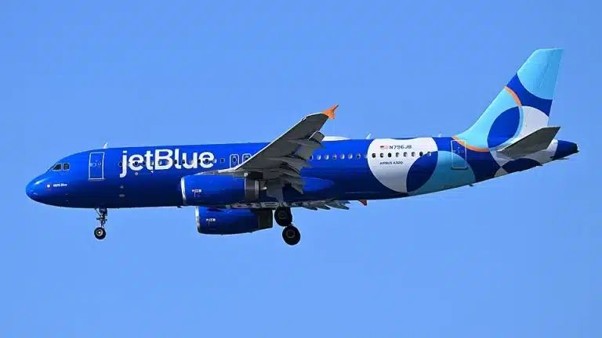
The possibility of a sale first emerged publicly in March, when Semafor journalists reported that JetBlue had appointed advisers to examine strategic options, including a potential acquisition by a rival airline. Three possible partners were identified: United Airlines, Alaska Airlines and Southwest Airlines.
No formal offer or merger agreement has been announced, and it remains unclear whether any of the potential buyers have entered discussions with JetBlue.
However, the airline’s financial position has since become more challenging, strengthening speculation about whether a larger competitor could eventually provide a solution.
According to Reuters, JetBlue’s creditors have hired restructuring advisers, raising concerns about the carrier’s ability to manage its substantial debt obligations. The airline had approximately $8.4 billion in debt and lease liabilities.
JetBlue CEO Joanna Geraghty sought to reassure investors on October 27, saying the company was not negotiating with creditors, considering debt restructuring or seeking government assistance.
She insisted that the airline remained focused on its recovery strategy.
The scale of the challenge is reflected in its latest results. JetBlue reported a third-quarter net loss of $257 million, compared with a loss of $60 million a year earlier. Revenue nevertheless increased 21% to $2.8 billion, supported by stronger demand and higher fares. Its nine-month net loss reached $823 million.
The carrier also faces substantial financing costs and rising fuel expenses. Its cash and investments declined to $1.6 billion during the first nine months of 2026, although JetBlue says it has sufficient liquidity to meet its needs for at least 12 months.
The three potential acquisition candidates would offer different strategic advantages.
United Airlines already has a commercial relationship with JetBlue, allowing customers to book selected services through each other’s platforms and earn or redeem loyalty points across both networks. A combination would strengthen United’s presence in the north-eastern United States, particularly around New York.
Alaska Airlines could offer a different geographical fit, linking JetBlue’s strong East Coast presence with its expanding West Coast network.
Southwest Airlines, meanwhile, could gain access to JetBlue’s established position in major north-eastern markets.
However, any transaction would face considerable regulatory scrutiny. The US Department of Justice previously succeeded in blocking JetBlue’s proposed $3.8 billion acquisition of Spirit Airlines in January 2024, arguing that the deal would reduce competition and increase fares.
JetBlue is still pursuing its own recovery plan, known as JetForward, which aims to improve operational performance, control expenses, strengthen its network and increase premium offerings. Management is targeting a return to operating profitability in 2027 and positive free cash flow in 2028.
For now, a takeover remains a possibility rather than an imminent transaction. But with financial pressures mounting, JetBlue’s independence could be one of the big stories of the year 2027.