
Saudia to offer a business class flat-bed seat on its future Airbus A321XLR
29 Dec 2025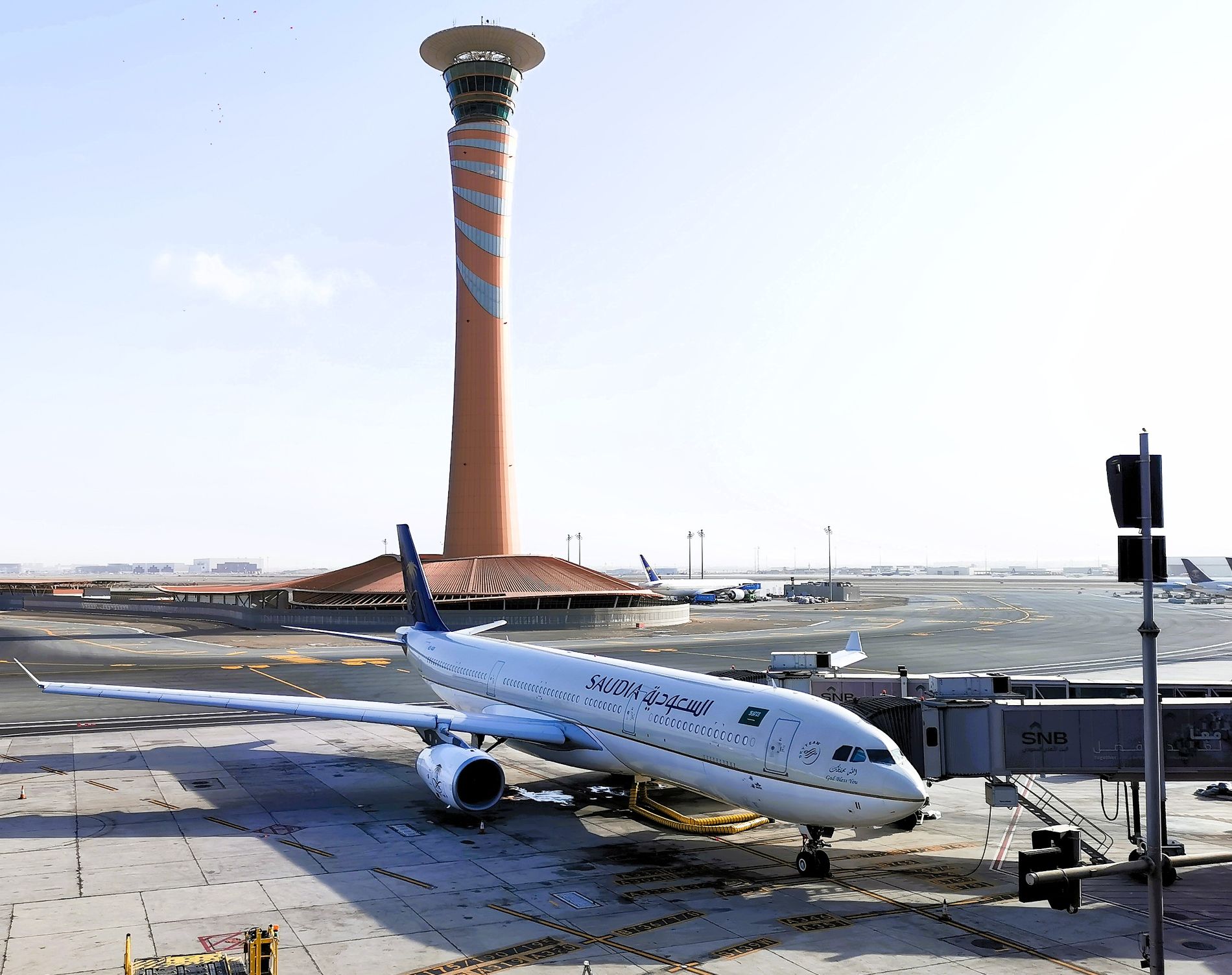
It will mark a significant upgrade to the airline’s narrowbody long-haul offering and underlining its broader fleet modernization strategy.
The Saudi flag carrier plans to equip the A321XLR with a dedicated business class featuring fully flat-bed seats, a product traditionally associated with widebody aircraft. According to industry sources, the cabin will include 24 Thompson VantageSOLO seats, each offering direct aisle access, a configuration increasingly favored by premium travelers on longer flights. The aircraft is expected to seat around 144 passengers in total, with the remaining capacity allocated to economy class.
Deliveries of Saudia’s A321XLR fleet are now expected to begin in 2026, following delays affecting Airbus’ broader A321XLR program. Entry into commercial service is currently planned for the airline’s northern summer schedule, with first flights anticipated from around May 2026. Initial deployment is expected to coincide with network adjustments for the peak travel season.
The introduction of the A321XLR reflects a wider shift in global aviation, as airlines increasingly rely on long-range single-aisle aircraft to serve thinner intercontinental and extended medium-haul routes more efficiently. With a range of up to 8,700 km, the A321XLR allows carriers to open or sustain point-to-point routes that may not justify the year-round use of larger wide-body aircraft.
Saudia intends indeed to deploy the A321XLR on routes linking Saudi Arabia with destinations across Europe, Africa and South Asia. Cities such as Barcelona, Brussels, Milan, Rome, Dakar and Male have been cited as potential candidates. Flights are expected to operate from both Saudia key hubs of Jeddah and Riyadh. For the carrier, it will then represent a core tool for network expansion.