
Europe's Big Three Airlines Slow Growth Plans
03 Aug 2026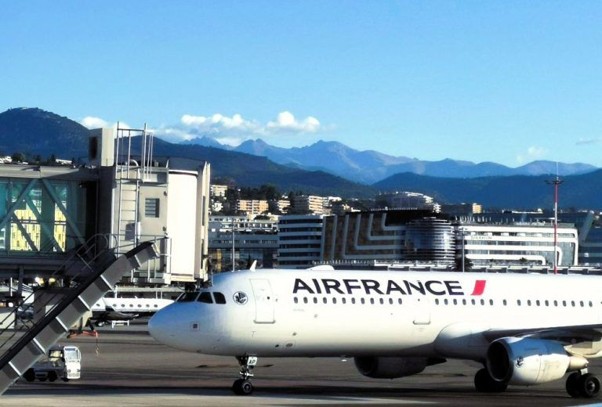
Europe’s three largest airline groups are entering the second half of 2026 with a more cautious outlook, scaling back capacity plans despite continued demand for long-haul and premium travel.
Second-quarter results from Air France-KLM, International Airlines Group (IAG) and Lufthansa Group point to a common strategy emerging across Europe’s network carriers: protect profitability rather than pursue aggressive growth.
While premium leisure and business travel continue to grow -although at a slower tempo, airlines are grappling with higher fuel costs, geopolitical instability, aircraft delivery delays and softer demand on some short-haul European routes.
Air France-KLM trims growth forecast
Air France-KLM delivered a stronger-than-expected second quarter, with revenue rising nearly 10% year-on-year to €9.3 billion. The group’s performance was driven by sustained demand for long-haul travel, particularly across the North Atlantic and Asia, alongside resilient premium cabin bookings.
However, higher fuel prices weighed on earnings, prompting the Franco-Dutch airline group to lower its full-year capacity growth forecast from 3%–5% to between 2% and 3%.
The carrier also expects a slight reduction in short- and medium-haul capacity during the remainder of the year as it adjusts to weaker regional demand and ongoing operational challenges.
Chief Executive Benjamin Smith said the group remains confident in long-haul demand but emphasized the need for flexibility amid an increasingly uncertain geopolitical environment.
IAG puts expansion on hold
British Airways parent IAG has taken an even more conservative approach. Following its second-quarter results, the group abandoned plans to increase capacity by up to 3% this year and now expects overall capacity to remain broadly flat compared with 2025.
The company reported second-quarter operating profit of €1.41 billion, down 16% from a year earlier, largely due to significantly higher fuel costs.
Despite the weaker earnings, demand remains robust. More than half of the group’s capacity for the remainder of the year has already been sold, supported by strong premium leisure and corporate travel, especially on transatlantic routes.
IAG said the combination of fuel price volatility, Middle East tensions and competitive pressure in Europe’s short-haul market made preserving margins a higher priority than adding seats.
Lufthansa Group remains selective
Lufthansa Group is following a similar path.
The German airline group, which includes Lufthansa, SWISS, Austrian Airlines, Brussels Airlines, ITA Airways and Eurowings, posted solid second-quarter revenue growth as premium demand and long-haul traffic remained resilient.
However, management warned that the operating environment remains challenging due to geopolitical tensions, rising operating costs and ongoing supply chain constraints affecting aircraft deliveries.
Rather than accelerating growth, Lufthansa is maintaining a disciplined approach to capacity deployment. The group is prioritizing profitable long-haul markets while carefully managing European capacity and continuing to invest in fleet modernization and operational efficiency.
Executives said demand remains healthy across most markets, but flexibility will be essential should economic or geopolitical conditions deteriorate further.
Industry shifts toward profitability
The three airline groups’ outlooks highlight a broader shift across Europe’s aviation sector.
After several years of rapid post-pandemic recovery, airlines are becoming increasingly disciplined about growth. Limited aircraft availability, persistent maintenance issues, elevated fuel prices and geopolitical uncertainty are encouraging carriers to focus on yield rather than volume.
Long-haul international travel continues to generate the strongest returns, particularly on North Atlantic and Asian routes, while intra-European markets are facing greater pricing pressures.