Green light for Virgin Trains international services
18 Aug 2026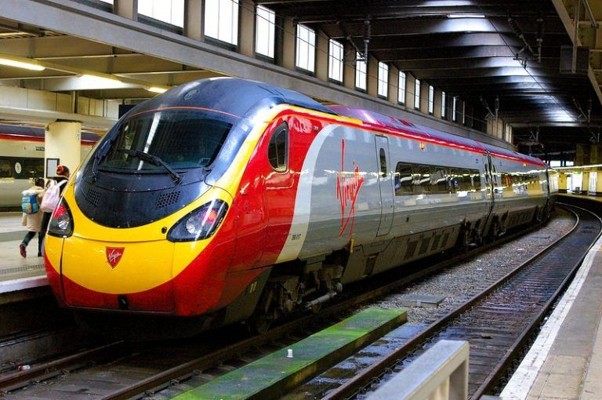
Britain’s Office of Rail and Road (ORR) decided on August 13 to pre-approve a new track access agreement between HS1 Limited, trading as London St Pancras Highspeed, and VTE OPCO Limited, the company behind Virgin Trains.
The agreement would allow Virgin to operate up to 20 daily round trips from London to Paris, Brussels or Amsterdam between October 1, 2030, and December 31, 2040.
Virgin Trains and London St Pancras Highspeed can now sign the agreement by September 4, 2026.
The approval marks another important step toward breaking Eurostar’s long-standing monopoly on direct international passenger rail services from London, a position it has held since 1994.
“While there is still more work to do, we are supporting Virgin and the wider industry to grow international services,” said Martin Jones, ORR deputy director for access and international.
Virgin Trains still faces several hurdles before passengers can board its trains. The company must acquire and approve its rolling stock, secure access to other rail networks and obtain safety authorizations from British and European authorities.
Three operators from 2030 between Paris and London?
Virgin has pre-ordered 12 high-speed trains from Alstom and plans to begin commercial operations in 2030.
The company is also looking to make its network more attractive by restoring stops at Ashford and Ebbsfleet in southeast England, both previously served by Eurostar. It has also expressed interest in reinstating direct services between London and Disneyland Paris.
The new competition comes as Italy’s Trenitalia also prepares to enter the London-continental Europe market, with services expected from 2029. Trenitalia plans to maintain its trains at a new facility in Maisons-Alfort, near Paris.
Virgin’s plans could give Eurostar a serious competitive challenge, particularly among business travellers and frequent passengers. The prospect of three operators serving overlapping routes could put pressure on fares, schedules and onboard services.
Eurotunnel operator Getlink says the Channel Tunnel has capacity to handle up to 1,000 trains a day across its two tunnels, compared with about 600 during peak periods today.
London’s St Pancras station is also expected to undergo major improvements to accommodate future growth in international rail traffic.