
Loganair to withdraw from Southampton and Dundee
13 Aug 2026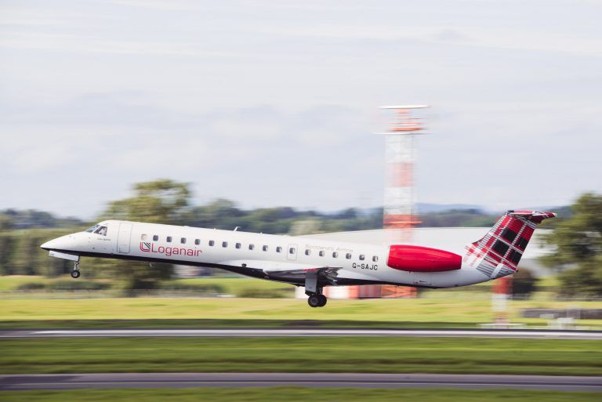
The airline confirmed that its Southampton base will close at the end of October 2026. The base only began operations in January, with two aircraft planned to be permanently stationed there. Loganair had presented the move as a major investment in southern England, expected to add more than 140,000 seats annually and create around 50 local jobs.
The Manchester-Southampton and Manchester-Exeter services will operate for the final time on August 20. Loganair said aircraft and crew will be relocated elsewhere in its network. Some Loganair flights will continue operating from Southampton, despite the base closure.
For travellers, the move removes direct regional links that had been positioned as alternatives to longer rail journeys and as gateways to wider destinations through Loganair’s airline partnerships.
The Dundee withdrawal is similarly significant. Loganair plans to close its Dundee base in September, following its decision to end the Dundee-London Heathrow Public Service Obligation (PSO) service on September 18.
The Heathrow route currently operates twice daily on weekdays and once on Sundays. It has been supported financially by Dundee City Council and the UK and Scottish governments since 2014. Loganair had previously said it remained committed to its Dundee base while examining alternative London airports.
The base closure will also affect Loganair’s regional network linking Dundee with the Northern Isles. Industry reports indicate the airline plans to end its Dundee-Kirkwall and Dundee-Sumburgh services as the base closes.
The changes come as Loganair faces rising operating costs and pressure on the economics of regional routes. In June, CEO Luke Farajallah warned that higher fuel prices, aircraft repair costs, airport fees and route charges were making some lifeline services increasingly difficult to sustain.
For tourism, the retrenchment highlights the vulnerability of smaller UK airports. Regional flights can provide an important alternative to road and rail travel while supporting inbound tourism and business traffic.