Malaysia vs. Singapore: Who Wins the F1 Race?
12 Aug 2026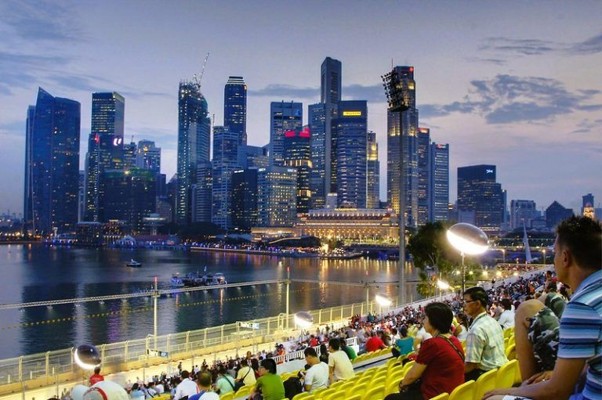
The back-to-back races are exceptional for Southeast Asia: two F1 Grands Prix in neighbouring countries within days of each other, creating a rare opportunity for fans to combine both events in a single regional trip.
Malaysia is preparing to turn the unexpected return of Formula One to Sepang into a tourism opportunity, with the October race expected to generate hotel demand, visitor spending and international exposure.
Bahrain Grand Prix boosting effect for Malaysia tourism
The Bahrain Grand Prix will take place at Sepang International Circuit, after the original Bahrain race was relocated because of the ongoing conflict in the Middle East. The event gives Malaysia a one-off return to the F1 calendar nine years after it last hosted a Grand Prix.
The timing could be particularly valuable for Visit Malaysia 2026, which is targeting 47 million international tourist arrivals and RM329 billion (about US$78 billion) in tourism receipts.
Hotels around Sepang were reportedly fully booked within hours of the July announcement, while homestay operators saw a sharp increase in inquiries from domestic and international visitors. Room rates have also surged, with budget-style Tune Hotel prices reportedly rising from around RM155 to more than RM750 per night during race weekend.
Tourism Selangor is looking to maximize the opportunity by encouraging F1 visitors to stay longer and combine the race with nature, culture, food, shopping and family attractions.
The strategy could help spread F1-related spending beyond the circuit and into hotels, restaurants, retail, transportation and local attractions.
Malaysia also has an advantage in accessibility. Sepang is about 60 kilometres from central Kuala Lumpur but is close to Kuala Lumpur International Airport, making it relatively easy for international fans to combine the race with a wider Malaysian trip.
Singapore: competition or opportunity?
The Malaysian race could initially look like bad news for Singapore, whose Grand Prix follows just one week later, on October 9-11.
Singapore has however built a very different F1 tourism proposition. It is first of all a night race with a downtown location, surrounded by entertainment and premium hospitality. Average 2026 ticket prices are estimated at about US$760, compared with US$296 for the Bahrain race before its relocation.
That price gap could encourage more budget-conscious fans to choose Sepang, particularly those living in Singapore and neighbouring countries.
However, the two events could also become complementary rather than competing attractions.
Sepang offers a traditional permanent circuit, daytime racing and a reputation for exciting overtaking. Singapore delivers a city-based experience, a night race and a major entertainment program. The different formats could encourage fans to attend both.
Indeed, Singapore could benefit from the Malaysian race if international visitors use Sepang as the first stop of a wider Southeast Asian trip before heading south.
The back-to-back scheduling creates the possibility of a regional “F1 fortnight”, with Malaysia and Singapore jointly marketed as two distinct experiences.
In the meantime, for Malaysia, the bigger question is what happens after 2026.
The Sepang return is currently a one-off arrangement, with Bahrain retaining the Grand Prix name and commercial rights and covering the hosting fee. Malaysia previously withdrew from F1 after rising costs and declining ticket sales.
A successful October event could revive the case for a permanent return. But unless the tourism and wider economic benefits can justify the substantial hosting costs, Sepang’s F1 comeback may remain a valuable but temporary tourism windfall.
For now, however, Malaysia and Singapore provide an unusual opportunity: rather than competing for the same F1 visitor, they could persuade fans to experience both.