
Luxury hotel brands race into Ho Chi Minh City
12 Aug 2026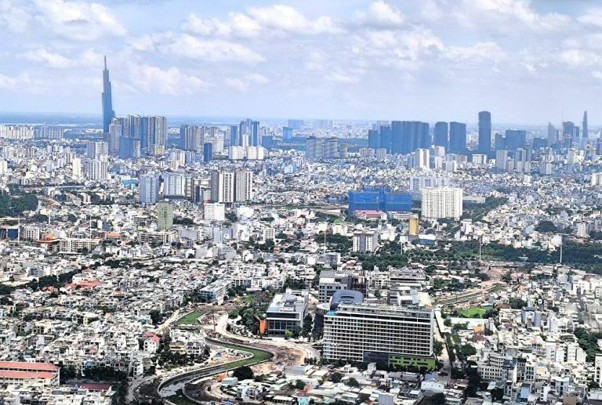
The pipeline signals a significant change for Vietnam’s largest metropolis. International operators are rapidly expanding into lifestyle hotels, hotel-managed residences and large-scale leisure destinations.
The biggest concentration remains in the city centre, but the luxury map is also moving toward the Saigon River and Can Gio, on the outskirts of Saigon
Current five-star hotel rates underline the opportunity. Ho Chi Minh City’s average daily rate for five-star hotels reached about US$197 in the first quarter of 2026, according to Avison Young Vietnam, with occupancy running between 75% and 80%.
Hotels: international brands move in
Nobu Hotel and Restaurant Ho Chi Minh is among the most anticipated arrivals. The hotel is scheduled to open in 2026 in a 40-story mixed-use tower in District 1. It will have 135 rooms and suites, a rooftop pool and fitness centre, with the Nobu restaurant occupying the seventh floor. No precise date has been given so far…
The Okura Prestige Saigon will bring the Japanese luxury brand to Vietnam for the first time. Located in the District 1, the property is planned with 250 rooms as part of the 40-story Satra Tax Plaza development. Facilities will include Japanese restaurants, all-day dining and a rooftop bar. Current hotel-opening trackers put the opening around October 2026, although the timing should be regarded as a target.
The most distinctive project outside the central business district is Kempinski Saigon River. Kempinski’s first Vietnamese hotel will have 90 guestrooms and 10 suites. Designed by Kengo Kuma & Associates, the property will draw on Vietnamese rural architecture and the surrounding river landscape.
The hotel will feature a 1,500-square-meter spa, restaurants and a riverside bar. Guests will be able to reach it from central Ho Chi Minh City by a planned 45-minute speedboat journey. Kempinski currently lists the opening as 2027.
Another major addition is The Ritz-Carlton, Saigon, planned for One Central Saigon opposite Ben Thanh Market.
The hotel is expected to have 231 rooms, alongside a large collection of Ritz-Carlton branded residences. Its opening date is not confirmed, with the project generally regarded as a late-2020s development.
Another long-delayed project remains on Ho Chi Minh City’s luxury hotel radar. Mandarin Oriental, Saigon is still listed in Mandarin Oriental’s development portfolio, with 228 rooms planned at Union Square in the heart of District 1. Originally announced with a 2020 opening, the project has yet to welcome guests and has no confirmed opening date.
Mandarin20Oriental20SaigonThe future Mandarin Oriental has been in the making since 2018 and still no date for its opening (Photo: LC/Cleverdis)
Branded residences become a major force
The Ritz-Carlton project illustrates another major trend: international hotel companies are increasingly entering the luxury residential market. The Ritz-Carlton Residences, Saigon is planned as part of One Central Saigon, with around 400 residence apartments.
The development combines the Ritz-Carlton hotel with luxury residences, retail and office space in one of District 1’s most prominent locations.
Grand Marina, Saigon represents an even larger branded-residence play.
The riverside development at Ba Son includes Marriott and JW Marriott branded residences, alongside commercial and lifestyle facilities. It is being delivered in phases, making it a longer-term addition to the city’s luxury residential inventory rather than a single opening.
The Opusk Residence, the final phase of The Metropole Thu Thiem, is another high-end residential project, with around 150 units and completion targeted around 2028.
The growth of branded residences gives international hotel groups another way to capitalize on Vietnam’s expanding affluent consumer base while creating accommodation with hotel-style services for owners and long-stay guests.
Resorts push the luxury map outward
The biggest potential change to Ho Chi Minh City’s luxury tourism landscape is taking place in Can Gio, southeast of the city centre.
The planned coastal destination will combine hotels, residences, entertainment and leisure facilities.
Two Marriott International properties are central to the project.
The Ritz-Carlton, Can Gio is planned with approximately 250 rooms, suites and pool villas, with an opening targeted for Q4 2027.
The resort is expected to include six restaurants and bars, swimming pools, a spa, fitness facilities, Ritz Kids and event space.
Beside it, Can Gio Marriott Hotel is planned with around 450 rooms and is also targeting Q4 2027. The hotel will feature restaurants and bars, a swimming pool, spa, M Club Lounge and meeting facilities.
Together, the two properties would add approximately 700 rooms to the emerging coastal destination.
The luxury resort pipeline also extends beyond the administrative boundaries of central Ho Chi Minh City.
Indochine Residences at Meliá Ho Tram is planned for 2028, combining additional resort accommodation with two- and three-bedroom residences, duplexes and penthouses.
Ho Chi Minh City’s new luxury map
The development pipeline shows three distinct directions for the city’s luxury market.
District 1 remains the focus for internationally branded urban hotels, with Nobu and Okura joining the established luxury operators and Ritz-Carlton planned for the longer term.
Thu Thiem and the Saigon River are emerging as luxury residential and lifestyle districts, led by Grand Marina and The Metropole.
Can Gio could become the most transformative development of all, creating a new resort destination within the wider Ho Chi Minh City market.
For travel companies, the implications are significant. The city will have more inventory for affluent leisure travellers, luxury groups, long-stay visitors and high-end MICE business.
The competition will also become more international. Rather than simply adding five-star rooms, Ho Chi Minh City is building a broader luxury hospitality ecosystem, combining global hotel brands, branded residences and destination resorts.