Thai Airways reschedules flights as baggage crisis continues
02 Oct 2026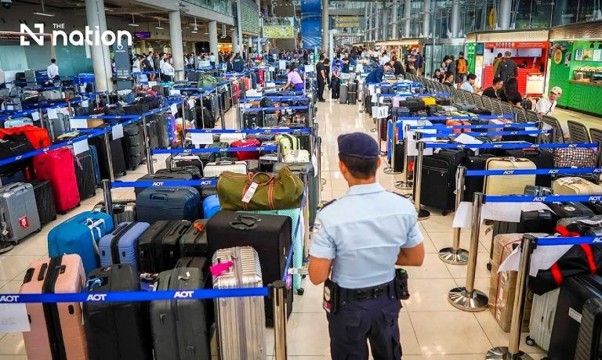
The carrier has made further schedule changes affecting flights to Singapore, Penang, Taipei, Hong Kong, Osaka and Copenhagen. Several October 1 services have been pushed into October 2, while some October 2 flights will operate on October 3.
Thai Airways will also resume Bangkok-Seoul services on October 2-3, with TG656 departing Bangkok late October 2 and TG657 returning from Seoul on October 3.
The airline normally operates about 115 flights a day but plans to operate 105 on October 2 as it scales back capacity to give ground teams more time to process delayed baggage and other outstanding work.
Chief executive Chai Eamsiri said about 90% of passenger ground-service staff had returned to work, while around 80% of ramp and aircraft-service personnel were back. However, restoring staffing levels alone would not immediately solve the accumulated workload.
Chai said passengers affected between September 26 and 28 were being prioritized, with Thai Airways accelerating baggage deliveries.
Passengers now also have the option of retrieving their own luggage from a newly established baggage center at Suvarnabhumi airport, providing an alternative for travelers who do not want to wait for the airline to arrange delivery.
Luggage crisis exposes Thailand inability to cope efficiently with crisis
Meanwhile, the baggage crisis is increasingly becoming a problem for the airline beyond its immediate operational impact.
Thailand’s Transport Ministry is considering whether airport ground-handling concessions should be reviewed after the disruption triggered demands for passenger compensation and parliamentary scrutiny of a proposed 25-year contract for a third operator.
Deputy Transport Minister Siripong Angkasakulkiat said the ministry would examine concerns over different contractual penalties for delayed baggage handling and whether the length of existing concessions remains appropriate.
Three ground-handling providers are involved at Suvarnabhumi: Thai Airways, Bangkok Flight Services (BFS), whose contract is nearing expiry, and AOT Ground Aviation Services (AOTGA), which is awaiting contract signing. In contrary to many other international airports, handling operations remain in Thai hands without contracts to well-established international handling companies such as Dnata, Menzies International or Swissport.
Siripong said Thai Airways’ existing concession cannot simply be amended without considering contractual obligations. He also said the airline received a longer concession because the agreement was established when it was still a state enterprise.
The disruption has also raised concerns about Thailand’s tourism image, with lawmakers arguing that prolonged baggage and cargo problems involving the national carrier can damage confidence in the destination.
The episode puts additional pressure on Thai Airways own reputation as Thailand’s national carrier, particularly as the airline attempts to restore normal operations while dealing with accumulated baggage, flight changes and passenger compensation demands.
Chai apologized many times to affected passengers and the Thai public. He said the airline welcomed suggestions for improving its service. However the problem is deeper than only providing apologies. Thailand has already been confronted in the past to numerous issues for degraded or disrupted service, particularly in the transport sector. With authorities paying only lip service in return…